Critical Sourcing Points for Bulk Precious Metal Findings

Critical Sourcing Points for Bulk Precious Metal Findings

Working with precious‑metal components defines the baseline quality of every finished jewelry piece, and poor procurement decisions can generate cascading issues across assembly, finishing, final inspection and end‑customer satisfaction. Many production teams focus solely on unit price while overlooking material consistency, documentation, and real‑world manufacturability. Even small deviations in alloy formula, dimension, or surface treatment may create expensive rework, high rejection rates, and brand reputation damage. When sourcing large volumes for continuous production, teams must balance material performance, commercial terms, and supply‑chain predictability to keep workshop workflows stable and output consistent.

Verify alloy purity and third‑party documentation

Metal purity sits at the foundation of reliable component performance, and verbal commitments from suppliers never replace formal test documentation. For gold‑based components, confirm exact karat values, alloy element ratios, and allowable impurity thresholds before order confirmation. Different karat formulations directly affect hardness, solder compatibility, wear resistance, and tarnish behaviour. 14K alloys contain higher copper and silver content compared with 18K grades, which creates distinct colour tones and mechanical performance; mixing incompatible alloy batches during assembly leads to uneven polishing results and visible colour mismatch across finished goods.
Fine jewelry findings require strict compliance with hallmark standards for major global markets, covering North America, European Union and other regulated territories. Every bulk shipment should accompany assay reports specifying metal composition, heavy‑metal limits, and traceability records. Special attention must go to nickel, lead and cadmium content, as non‑compliant lots can be detained at customs and block entire product launches. Suppliers should provide physical hallmark stamping samples for pre‑production review so stamping depth, font clarity and placement align with regional legal requirements. For repeat orders, specify periodic random batch testing to catch alloy drift that can emerge as melting batches change over long‑term cooperation.

For high‑density luxury applications, platinum findings introduce additional verification steps. Platinum group metal alloys often mix ruthenium, iridium or copper to tune hardness for clasps, settings, jump rings and post components. Pt950 and Pt900 are the most common industrial grades, yet substandard lots may substitute lower‑cost palladium in proportions unreported on paperwork. Request independent X‑ray fluorescence test reports for incoming batches, because visual inspection alone cannot detect subtle composition shifts. Platinum’s high melting point creates unique casting challenges; poorly controlled casting generates internal porosity, brittle solder joints and invisible micro‑cracks that only appear after stone‑setting or daily customer wear.

Control plating performance and surface finish consistency

Surface finishing directly impacts production yield and long‑term product durability, and plating failures represent one of the most frequent hidden costs in bulk component procurement. Rhodium plating on white‑gold parts must meet defined thickness specifications; thin plating wears quickly, revealing underlying yellow alloy and triggering large volumes of product returns. Different regional market guidelines publish minimum plating thickness benchmarks, and these technical figures should be written clearly within purchase specifications rather than left to supplier default settings.

When ordering gold findings bulk, clarify requirements for pre‑plating surface quality. Polishing scratches, micro‑pits and casting blemishes cannot be fully concealed by plating layers, and defective base surfaces amplify visual flaws after finishing. Request pre‑production physical samples representing actual bulk‑run quality, not hand‑finished premium prototypes. Evaluate solder point condition in particular; rough solder residues under plating create bumpy surfaces that require extra manual polishing time inside your workshop, raising internal labour overhead substantially.

Specify exact surface textures for each component category. Clasp springs require smooth burnished surfaces for repeated mechanical movement, while decorative connectors may call for matte, brushed or satin textures. Document texture references through physical sample sets and photo archives so successive production runs maintain uniform appearance. Tarnish resistance should also be validated through accelerated ageing testing for high‑volume orders, especially for components intended for humid‑climate markets.

Understand dimensional tolerance and mechanical fit

Even minor dimensional variance multiplies risk in mass assembly workflows. Findings such as jump rings, tube settings, earring posts, hinge parts and clasp mechanisms must fit precisely with other components during assembly. Tolerance values that seem insignificant on individual drawings can become critical when thousands of pieces flow through setting and assembly stations. Loose tolerances cause settings not to hold stones securely, jump rings failing to close properly, or earring posts misaligning with clutch backs, all boosting workshop rejection rates.

Define tolerance ranges for outer dimension, inner bore, wire gauge, hole size and spring tension within purchasing documents. For spring‑loaded clasps, mechanical performance matters as much as geometry; inconsistent spring strength across batches creates finished jewelry that opens unintentionally during wear. Request sample batches for bench testing with your standard assembly tools and stone sizes before releasing large orders. Many procurement teams only check static dimensions, ignoring real‑world interaction with stones, wire and other hardware, leading to costly adjustments after bulk goods arrive.

Weight consistency across batches also deserves close review. Precious‑metal pricing links directly to total metal mass, and uncontrolled weight variation creates unexpected material‑cost swings. Record target weight ranges per piece and enforce acceptable deviation limits in order terms. Batch‑to‑batch weight drift can signal unstable casting processes or alloy adjustment on the supplier side, acting as an early warning sign of broader quality decay.
Evaluate minimum order thresholds and flexible trial‑order options

Commercial terms in bulk procurement extend far beyond unit pricing, and rigid minimum‑order rules can tie up excessive working capital in slow‑moving inventory. Component suppliers apply minimum‑order quantity rules based on melting batch sizes, tooling setup cost and post‑processing cycles. Standard mould‑cast findings often carry lower entry volumes, while custom‑tooled shapes demand substantially higher minimum runs.

Brands expanding into new product categories need to assess whether suppliers support trial‑sized production lots before committing to full‑scale bulk delivery. Trial orders allow teams to validate alloy behaviour, plating quality, dimensional stability and real‑world assembly performance without exposing operations to large financial risk. Note that trial batches may carry small unit‑price premiums, yet this extra cost offsets far larger losses from defective large‑volume shipments. Tiered pricing schedules should be clearly laid out so procurement teams understand cost shifts as order volumes rise.

In modern fine‑jewelry ecosystems, many operations collaborate with a lab grown diamond maker alongside component suppliers. Aligning component procurement timelines with stone supply schedules streamlines overall production cycles. Setting seats on findings must match exact stone diameters and girdle profiles. Misalignment between stone dimension and finding seat geometry slows down setting work, increases stone chipping risk and reduces final‑product quality. Co‑ordination between stone source and component vendor becomes especially relevant for brands building collections built around lab‑grown centre stones and accent melee stones.

Leading lab grown diamond jewelry manufacturers maintain tight dimensional control for their stone output, yet component buyers cannot assume findings will automatically align with those stone specifications. Share precise stone measurement datasets with finding suppliers at the quotation phase, and test sample stones inside sample settings before mass manufacturing commences. This cross‑check eliminates fit‑related bottlenecks once both bulk stones and bulk components arrive on the production floor.

Assess lead‑time visibility and risk mitigation for bulk shipments

Precious‑metal supply chains face constant pressure from metal‑price volatility, raw‑material availability fluctuations, tooling maintenance cycles and logistical delays. Stated lead‑times on quotation documents do not always reflect real‑world performance, and missed delivery dates can halt entire collection launches. Procurement teams should dig into what each quoted lead‑time includes: confirm whether it accounts for sample review, casting cycles, plating work, internal quality checks and export preparation. Distinguish standard production windows from rush‑order schedules, and document associated surcharges for expedited manufacturing.

Build contingency planning into purchasing agreements. Identify which component styles have alternative supplier sources, so production can shift quickly if primary vendors encounter operational disruptions. Ask suppliers about their work‑in‑progress tracking ability, to gain visibility into melting status, casting completion and post‑processing stages for large orders. Clear communication protocols for delay notifications allow teams to adjust internal production planning rather than facing sudden unforeseen stoppages.

Shipping and insurance terms also carry meaningful risk for high‑value metal components. Confirm responsibility for cargo insurance during transit, packaging specifications to prevent scratching and deformation, and protocols for inspecting goods upon receipt. Pre‑define acceptance criteria and formal return or rework processes for non‑conforming batches. Without clear pre‑agreed terms, disputes over defective material can stretch for weeks, halting workshop output and damaging project timelines. Currency fluctuation deserves consideration as well, given that precious‑metal‑based component pricing moves in line with global metal spot rates. Clarify whether pricing locks at order placement date or at shipment date to avoid unexpected cost inflation after order confirmation.

Prioritize batch‑consistent quality control and incoming inspection protocols

Even highly reputable suppliers experience occasional batch‑level variation. Robust incoming inspection procedures protect internal workflows from inconsistent incoming stock. Develop practical checklists covering alloy documentation verification, visual surface examination, dimensional spot‑checking, mechanical function testing and random‑sample third‑party assay testing for high‑value lots.

Test mechanical behaviour beyond visual appearance. Open and close clasp samples repeatedly to confirm spring durability; stress‑test jump rings to spot weak solder points; examine earring post straightness and clutch fit. Many surface or structural defects only reveal themselves under simulated assembly and wear stress. Document all inspection results batch‑by‑batch, retaining physical reference samples from approved lots. These archives serve as objective benchmarks against which future deliveries can be measured.

Avoid the common mistake of approving a high‑quality pre‑production sample and expecting every bulk‑run unit to match exactly. Sample pieces often receive special manual finishing that cannot scale to thousands of components. Set realistic acceptable‑quality limits and communicate these thresholds fully to component suppliers. Establish clear feedback loops so recurring defects trigger corrective adjustments at the casting, polishing or plating stage, rather than simply rejecting finished goods after production completes.

Effective bulk sourcing of precious‑metal findings balances technical material knowledge, careful commercial negotiation, and cross‑functional alignment with gemstone supply streams. By systematically reviewing alloy certification, plating standards, dimensional fit, order flexibility, delivery reliability and incoming‑quality practices, production teams reduce avoidable waste, stabilise workshop yield, and support consistent quality for finished fine‑jewelry collections.
Consistent-Quality Fine Jewelry Supplies for Small‑Scale Brands

Small-scale fine jewelry brands face unique operational challenges that large luxury jewelry groups rarely encounter. While big brands secure long-term, bulk supply contracts with stable quality control and dedicated production lines, emerging boutique jewelry labels often struggle with fluctuating material quality, inconsistent batch craftsmanship, and unreliable supplier cooperation. For small brands focused on building long-term customer trust and brand reputation, stable supply quality is not merely a production requirement but the core foundation of sustainable business growth. Many emerging jewelry enterprises fail to scale not due to poor design or insufficient market demand, but due to frequent quality inconsistencies in raw materials and accessories that trigger customer complaints, return rates, and damaged brand credibility. As an experienced fine jewelry manufacturer serving global small and mid-sized jewelry enterprises, we break down professional, actionable standards and practical operational strategies to help small brands establish a stable, high-quality supply system and avoid common sourcing pitfalls in the fine jewelry industry.

Professional Supplier Evaluation Framework for Stable Supply Cooperation

The core of stable fine jewelry operation lies in selecting qualified and reliable cooperative factories, and scientific supplier screening can fundamentally reduce quality fluctuation risks. A complete and rigorous jewelry supplier vetting system covers factory qualification verification, production process standardization, quality inspection mechanism, and after-sales service guarantee, forming a full-link evaluation system suitable for small-batch customized orders. Unlike large-scale jewelry manufacturers that only accept bulk orders, excellent suppliers for small-scale brands need to balance low minimum order quantities, flexible customization capabilities, and strict quality control standards to adapt to the small-batch, multi-style operational characteristics of boutique jewelry brands.

In the supplier vetting process, small brands should first verify basic factory qualifications, including industrial and commercial certification, jewelry production qualification, and international material testing certification. Qualified manufacturers must provide complete material inspection reports, production process records, and finished product quality testing documents for each batch of products. Secondly, on-site factory inspection or remote production audit is essential to check whether the production equipment is advanced, whether the production line is standardized, and whether the quality inspection team is complete. Many small brands only focus on unit price when selecting suppliers, ignoring the importance of standardized production management, which leads to problems such as uneven material texture, inconsistent electroplating color, and unstable inlay firmness in subsequent mass production. A sound supplier management system can effectively solve these problems and lay a foundation for long-term stable cooperation.

Core Standards for High-Quality Fine Jewelry Material Selection

Material quality directly determines the grade, durability, and market reputation of finished jewelry, making precise material selection the top priority of jewelry material sourcing. Fine jewelry covers high-value core materials such as precious metals and artificial gemstones, as well as auxiliary accessories including clasps, chains, and inlay brackets. Every material link affects the overall quality of finished products, and small brands need to formulate unified material selection standards to eliminate batch differences caused by different material sources.

In precious metal material selection, mainstream fine jewelry materials such as sterling silver, 14K gold, and 18K gold must meet international purity standards. Manufacturers need to provide metal component testing reports for each batch of materials to ensure no adulteration of inferior metals and stable metal hardness and ductility, which is crucial for subsequent cutting, polishing, and inlay processes. For surface treatment processes such as electroplating and polishing, unified process parameters must be formulated to ensure consistent gloss, color difference, and wear resistance of finished products in different batches. Inferior metal materials are prone to oxidation, discoloration, and deformation after long-term wear, which will greatly reduce customer experience and brand reputation.

In terms of gemstone material selection, with the booming market demand for eco-friendly and cost-effective high-end fine jewelry, lab-grown gemstones have become the mainstream choice for small and medium-sized jewelry brands. Professional production and processing institutions can provide standardized gemstone materials for customized jewelry production, ensuring consistent color, clarity, and cutting specifications of each gemstone. Scientific material sourcing standards enable small brands to maintain unified product quality while controlling costs, forming core competitive advantages in the boutique fine jewelry market.

Batch Stability Control Mechanism for Fine Jewelry Production

The biggest pain point for small-scale jewelry brands in supply cooperation is batch quality instability. Due to small single order quantities, many mixed-order factories adjust production parameters randomly to adapt to different orders, resulting in obvious differences in product details between different batches, including inconsistent electroplating tone, uneven polishing fineness, and inconsistent gemstone inlay tightness. For boutique brands that focus on product uniformity and repeat customer repurchase rates, such quality differences are fatal to brand image building.

Reliable fine jewelry manufacturers adopt fixed production parameter management for long-term cooperative brands. After confirming the product process standard with the brand for the first time, they solidify core parameters including metal proportion, electroplating time, polishing process, and gemstone inlay standards into the production system. For each subsequent supplementary order, production is strictly implemented in accordance with the confirmed parameters to ensure zero difference in product details between different batches. Meanwhile, manufacturers will reserve a certain proportion of raw material inventory for long-term cooperative small brands to avoid quality fluctuations caused by raw material replacement and price fluctuations in the market.

In addition to production parameter solidification, strict batch sampling inspection is also a key link to ensure stability. Each batch of finished products will undergo dimensional inspection, wear resistance test, oxidation resistance test, and inlay firmness test. Unqualified products will be eliminated in full, and production processes will be adjusted in a timely manner to ensure that all products delivered to the brand meet unified quality standards. This standardized batch management mode effectively solves the quality instability problem of small-batch orders and helps small brands maintain consistent product presentation in long-term operation.

Sample Testing and Pre-Production Verification Practical Guidelines

Complete sample testing and pre-production verification are essential steps to avoid large-scale quality problems, and also the most cost-effective quality control method for small-scale jewelry brands with limited operating budgets. Before placing formal bulk orders, brands must complete multi-dimensional sample confirmation to lock all product standards and eliminate hidden quality dangers in advance.

The first step is initial sample confirmation. After the manufacturer completes the hand-made sample according to the brand’s design drawings and parameter requirements, the brand needs to check the overall size, proportion, process details, material texture, and gemstone cutting effect of the sample, and put forward modification opinions for non-compliant parts. After the sample is revised and confirmed to be error-free, both parties sign a formal sample confirmation document as the unified standard for subsequent mass production. The second step is small-batch trial production testing. After locking the sample standards, a small batch of trial production is carried out to verify the stability of mechanized production. Many hand-made samples have perfect details, but mass production is prone to process defects, so trial production testing can effectively verify the feasibility and stability of the production process.

The third step is long-term wear simulation test. Fine jewelry products need to have good durability, so manufacturers will simulate daily wear scenarios including friction, sweat corrosion, and temperature change to test the wear resistance, oxidation resistance, and color fastness of the products. Products that pass the long-term test can meet the daily wearing needs of customers and reduce after-sales quality problems. Through the three-step verification mechanism of sample confirmation, trial production testing, and simulation test, small brands can fully control product quality and avoid quality losses caused by blind bulk ordering.

Professional Lab Diamond Supply Solutions for High-End Custom Jewelry

High-end customized fine jewelry represented by diamond rings is the core profit segment of many small-scale jewelry brands, and stable supply of high-quality lab diamonds is the key to supporting brand upgrading and product iteration. As a professional lab diamond factory integrating diamond cultivation, cutting, polishing, and finished product customization, we provide standardized high-quality lab-grown diamond raw materials and finished ring customization services for global small and medium-sized jewelry brands, solving the problems of uneven diamond quality, incomplete specification coverage, and unstable delivery cycle in the traditional supply market.

Different from scattered small suppliers, professional lab diamond production institutions have complete independent production lines and quality inspection systems. All lab diamonds are graded in strict accordance with international 4C standards, with unified color, clarity, cut, and carat specifications, realizing zero difference in batch supply. For small brands engaged in high-end customized jewelry business, standardized lab diamond supply can ensure that each customized diamond ring has stable quality and consistent visual effect, improving customer recognition and brand professionalism.

Many consumers and brand operators have misunderstandings about lab-grown diamond jewelry, thinking that the quality of artificial diamonds is unstable. In fact, standardized industrial production makes lab diamonds have more stable quality and more controllable parameters than natural diamonds. Mature production technology can precisely control the internal crystal structure and optical performance of diamonds, making the fire and brightness of lab diamonds more uniform. Relying on professional lab diamond production capacity, small brands can launch high-cost-performance and high-quality diamond ring products to quickly occupy the mid-to-high-end fine jewelry market.

Diversified Supply Support for Small-Scale Fine Jewelry Brand Operation

To meet the diversified and personalized market demands of current fine jewelry consumers, small brands need rich and high-quality fine jewelry supplies support, covering precious metal accessories, gemstone raw materials, inlay parts, and finished product semi-finished accessories. Excellent fine jewelry supply systems not only provide standardized bulk materials but also support personalized customized material processing, adapting to the design iteration rhythm of boutique jewelry brands.

In terms of supply diversity, professional manufacturers can provide multiple material options including S925 sterling silver, titanium steel, K gold, and various lab-grown gemstones such as diamonds, moissanite, and sapphires. Meanwhile, they support personalized processing of different electroplating colors, polishing textures, and inlay processes, helping small brands form differentiated product systems. In terms of supply flexibility, manufacturers support small-batch customized orders and flexible supplementary orders, which perfectly matches the light asset operation mode of small-scale brands, avoiding inventory backlog and capital waste caused by large-batch stocking.

In addition to material supply, professional manufacturers also provide one-stop supporting services including design optimization, process guidance, and quality after-sales guarantee. For small brands without professional production teams and process experience, these value-added services can greatly reduce the threshold of fine jewelry product development and production, help brands quickly launch new products, and improve market competitiveness.

Long-Term Cooperation Advantages for Lab Grown Diamond Ring Companies and Small Brands

In the mid-to-high-end fine jewelry market, customized diamond ring products have always been the core consumer hot spot. Excellent lab grown diamond ring companies can form long-term stable strategic cooperation with small-scale jewelry brands, providing exclusive customized supply solutions and brand differentiated support. Different from ordinary material suppliers, professional diamond ring customization enterprises have in-depth insight into the market trends and consumer preferences of fine jewelry, and can provide targeted product optimization suggestions for small brands.

In long-term cooperation, professional lab grown diamond ring companies will provide exclusive material parameter standards and process systems for cooperative small brands, forming exclusive product quality advantages that are different from other market brands. Meanwhile, they provide priority production rights and stable delivery cycle guarantees for long-term cooperative brands, ensuring that brands can respond quickly to market order demands and avoid customer loss caused by delayed delivery. In terms of quality guarantee, formal manufacturers provide long-term quality after-sales service for customized diamond ring products, solving the worries of small brands in after-sales operation.

For small-scale fine jewelry brands, cooperating with professional and standardized manufacturers is the fastest and most effective way to achieve stable product quality and sustainable brand development. Through scientific supplier evaluation, standardized material sourcing, strict batch quality control, and complete sample testing mechanisms, brands can completely get rid of the troubles of quality instability and supply uncertainty. In the increasingly competitive fine jewelry market, stable and consistent product quality is the best brand business card, helping small boutique brands accumulate word-of-mouth, expand market share, and finally realize steady and long-term brand growth.

The Latest Trends in Fine Jewelry Supplies for Wholesale

The global fine jewelry wholesale industry is undergoing a profound transformation driven by evolving consumer preferences, sustainable manufacturing innovations, digital supply chain upgrades, and shifting retail market demands. As a professional fine jewelry manufacturer with years of experience serving global retailers, boutique brands, and custom jewelry enterprises, we have witnessed distinct market shifts that redefine the standards of wholesale fine jewelry supplies in 2026 and beyond. Modern wholesale buyers no longer prioritize low prices alone; they balance cost efficiency, product uniqueness, sustainable craftsmanship, market adaptability, and operational convenience. Understanding these cutting-edge trends is critical for retailers to optimize inventory, boost sales competitiveness, and cater to the fast-changing fine jewelry consumption market.

Dominance of High Quality Lab Created Gemstone Supply Chains

Sustainability and cost performance have become core competitive advantages in the current fine jewelry wholesale market, pushing lab-created gemstones from a niche market choice to a mainstream supply trend. Traditional natural gemstone supplies face persistent challenges including scarce mineral resources, unstable pricing, long procurement cycles, and opaque origin certification, which greatly limit the inventory turnover and profit space of small and medium-sized jewelry retailers. In contrast, lab-created gemstones feature stable quality, standardized color and clarity grading, zero mining damage, and flexible customization capabilities, perfectly matching the sustainable consumption concept pursued by modern young consumers.

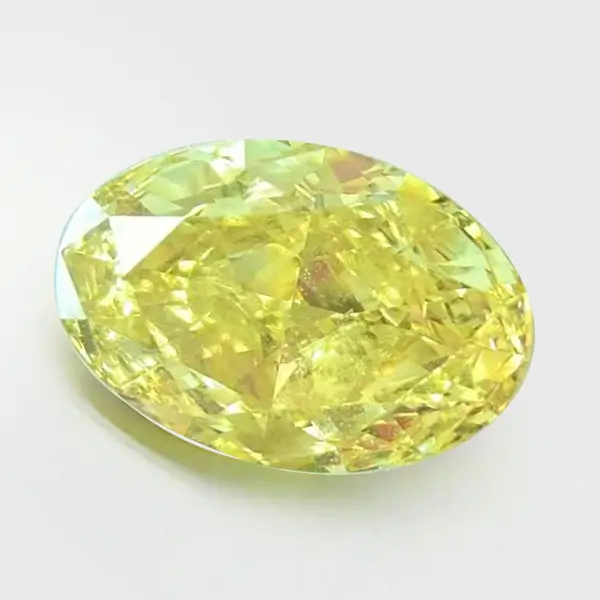
As a leading manufacturer specializing in fine jewelry raw material production and finished product customization, we have upgraded our gemstone production lines to focus on high-precision lab-grown gemstone crafting. Among the most popular market resources, synthetic diamonds wholesale has become the most sought-after supply category for global fine jewelry wholesalers and retailers. Our synthetic diamond products strictly follow international 4C grading standards, covering diverse carat weights, color grades, and clarity levels, with consistent batch quality and far lower pricing than natural diamonds of equivalent specifications. This supply model enables downstream retailers to launch high-end diamond jewelry lines at a moderate cost, covering entry-level daily wear styles and high-end ceremonial pieces, effectively expanding customer groups and market coverage. Meanwhile, we provide complete origin inspection reports and quality certification documents for each batch of synthetic diamonds, eliminating the authenticity verification risks that trouble traditional gemstone procurement and greatly improving the transaction efficiency of wholesale orders.

Growing Market Demand for Matched Fine Jewelry Sets

Single-piece fine jewelry sales are gradually losing market dominance, while matched jewelry sets have become the new growth engine of the wholesale fine jewelry industry. Contemporary consumers prefer coordinated and unified wearing styles, whether for daily casual matching, workplace formal dressing, wedding ceremonies, or holiday gift-giving scenarios. Complete jewelry sets can create a more integrated and high-end aesthetic effect, and also increase the unit customer price of retail sales, bringing higher profit margins for jewelry merchants. This consumption trend drives wholesale manufacturers to adjust product development and supply strategies, focusing more on series design and matching product layout.

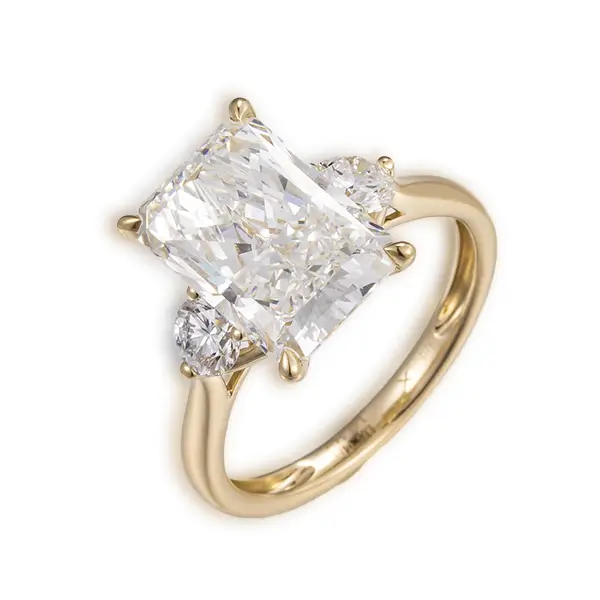
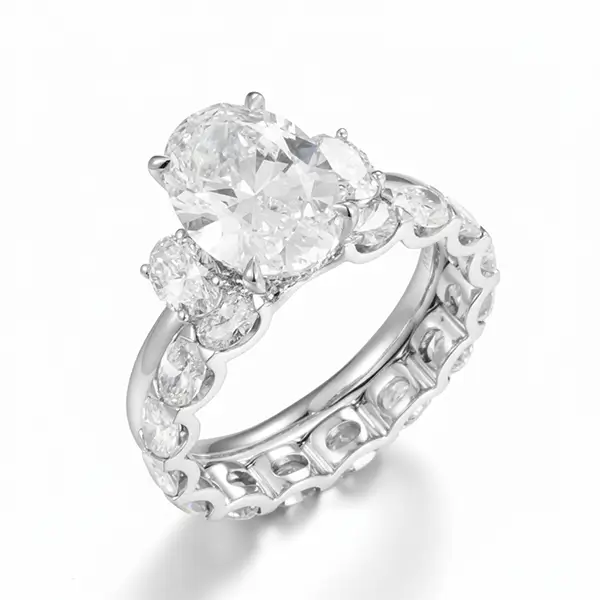
In the high-end fine jewelry segmentation market, wedding and engagement jewelry sets maintain stable and strong market demand, with updated design styles and craft standards year by year. diamond ring sets wholesale stands out in the set jewelry category due to its strong scenario applicability and high repurchase rate. Our independently developed diamond ring sets integrate classic and trendy design elements, matching main diamond engagement rings with auxiliary diamond wedding bands or decorative rings of the same series. The products adopt precision inlay technology to ensure firm stone setting, smooth polishing, and durable electroplating, avoiding common problems such as loose stones and fading that plague low-cost jewelry. For wholesale customers, purchasing matched ring sets reduces the difficulty of product selection and shelf matching. Retailers can launch packaged sales or single-item sales models according to customer needs, with flexible sales methods and low inventory pressure. In addition, we support batch customization of ring sizes, diamond specifications, and metal materials, adapting to the aesthetic differences and wearing habits of consumers in different regions and meeting the personalized procurement needs of global wholesale buyers.

Digital Transformation of Wholesale Procurement Channels

The traditional fine jewelry wholesale model relying on offline exhibitions, manual negotiation, and offline sample inspection has obvious limitations in the digital era, including high time cost, limited transaction radius, and opaque product information. With the rapid development of cross-border e-commerce and digital supply chain management, online wholesale procurement has become the mainstream development trend of the fine jewelry industry. More and more physical jewelry stores, online jewelry brands, and cross-border e-commerce sellers choose to complete raw material procurement and finished product ordering through professional online channels, which promotes the iterative upgrading of wholesale service models across the industry.

Professional online procurement platforms have broken the geographical restrictions of traditional wholesale transactions, enabling global buyers to quickly obtain high-quality fine jewelry supply resources. A professional and standardized wholesale jewelry website has become an essential service carrier for fine jewelry manufacturers to connect with downstream customers. As a manufacturer, we have built a fully functional official wholesale platform that displays full-category fine jewelry supplies, including lab-grown diamond raw materials, finished diamond jewelry, silver inlaid gemstone jewelry, customized jewelry accessories, and limited-edition designer series. The platform provides high-definition product detail pictures, 3D display videos, real quality inspection reports, and detailed parameter descriptions of each product, allowing buyers to check product quality and specifications remotely without offline visits.

In addition to product display, the wholesale jewelry website also realizes online inquiry, batch order placement, customized scheme communication, order progress tracking, and after-sales one-stop service. We set differentiated wholesale discount rules according to order quantity, support mixed batch procurement of multiple styles to reduce customer inventory pressure, and provide stable global logistics distribution and perfect after-sales guarantee services. This digital wholesale model greatly shortens the procurement cycle, reduces the communication and time cost between manufacturers and buyers, and improves the overall operational efficiency of the fine jewelry wholesale supply chain.

Upgraded Craftsmanship and Personalized Customization Services

In the era of homogenized fine jewelry products, exquisite craftsmanship and personalized customization capabilities have become the core competitiveness of wholesale manufacturers. Modern consumers are no longer satisfied with mass-produced conventional jewelry; they pursue unique design sense, exclusive symbolic meaning, and high-end craft texture. This demand drives wholesale fine jewelry supplies to shift from standardized mass production to flexible customized production, and more wholesale buyers tend to cooperate with manufacturers with independent design and customized production capabilities.

We keep up with market trends and continuously upgrade production craftsmanship, introducing advanced precision cutting equipment, micro-inlay technology, and environmental protection electroplating processes. All fine jewelry products are manually polished and inspected by professional craftsmen layer by layer, ensuring smooth lines, three-dimensional vision, and comfortable wearing experience. In terms of personalized services, we support diverse customized needs such as personalized engraving, exclusive pattern design, material replacement, and color matching adjustment. Wholesale customers can put forward exclusive design requirements according to their brand positioning and consumer group characteristics, and our professional design team will quickly complete scheme docking, sample production, and batch mass production. This highly flexible customized supply model helps downstream retailers build differentiated product advantages, avoid homogeneous market competition, and enhance brand stickiness with end consumers.

Sustainable and Eco Friendly Supply Chain Standardization

Environmental protection and sustainable development have penetrated every link of the fine jewelry industry chain and become an important evaluation standard for wholesale buyers to select cooperative manufacturers. Global consumers’ awareness of green consumption continues to rise, and more customers are willing to pay premium prices for eco-friendly, pollution-free, and socially responsible fine jewelry products. Correspondingly, jewelry retailers pay more attention to whether manufacturers adopt environmentally friendly production processes, recycled metal materials, and sustainable gemstone sources when purchasing wholesale supplies.

As a responsible fine jewelry manufacturer, we have fully promoted the standardized construction of sustainable supply chains. All metal materials used in products adopt recycled high-purity silver and environmentally friendly alloy materials, which reduce metal mining pollution and meet international environmental protection certification standards. The lab-created gemstones we supply do not involve mineral mining, realizing zero damage to the ecological environment. At the same time, we have optimized the production process, reduced industrial wastewater and waste gas emissions in the production link, and adopted environmentally friendly and degradable packaging materials for wholesale products. All products can provide complete environmental protection certification files, helping downstream retailers complete brand green marketing and meet the sustainable consumption needs of modern markets. In the future, sustainable supply capacity will become the basic threshold for fine jewelry wholesale manufacturers to participate in market competition and an important guarantee for long-term stable cooperation with global buyers.

The fine jewelry wholesale supply industry is in a period of rapid iteration and upgrading, with synthetic diamond popularization, matched jewelry set upgrading, digital channel transformation, personalized customization, and sustainable supply chain construction becoming the five core development trends.